Jun. 24, 2026
Most brand purchasers only compare the unit price of cosmetic display stand options but ignore various hidden costs throughout manufacturing and delivery. Sourcing retail fixtures involves multiple unstated fees that substantially increase your total procurement budget if overlooked in initial quotations. From complex export packaging materials to international electrical compliance certifications, understanding these backend variables is vital. This comprehensive guide uncovers the critical hidden manufacturing and logistics expenses of custom beauty POS fixtures that supply chain teams must confirm before finalizing production orders.
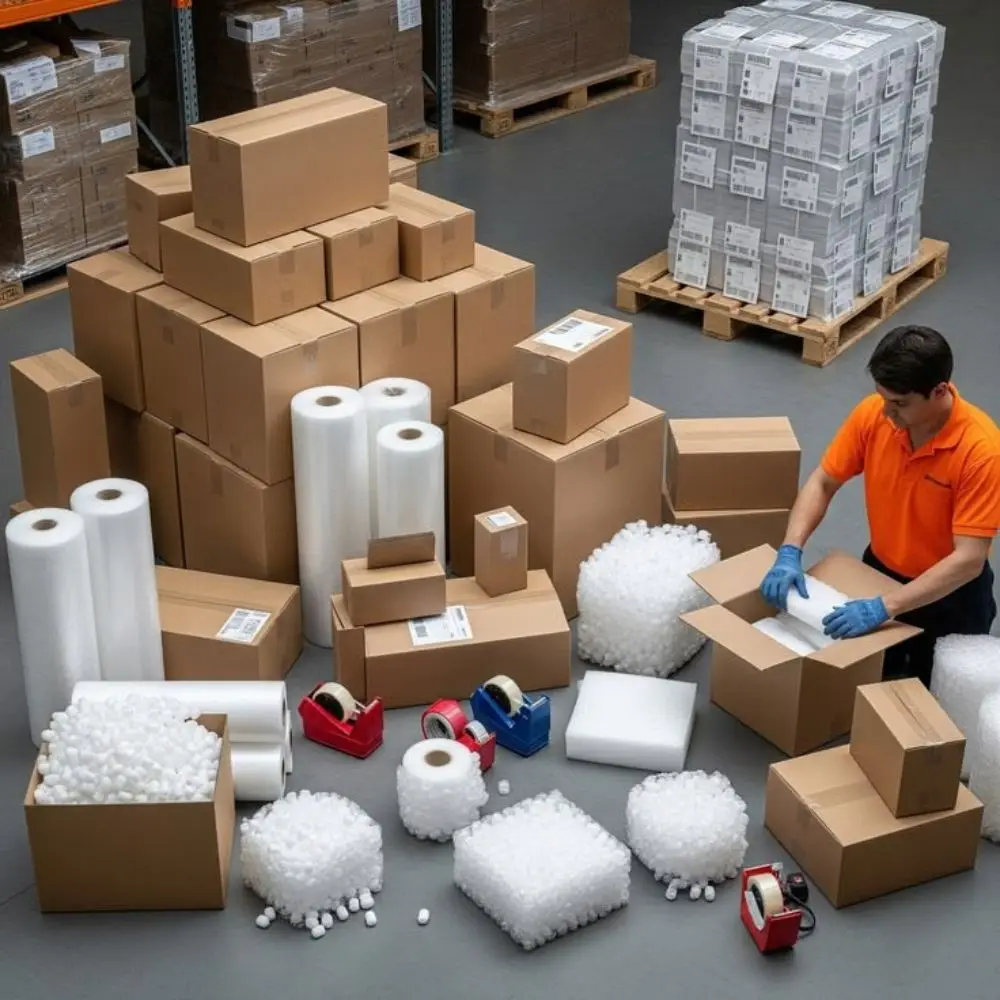
The engineering of transport protection directly influences the final cost matrix. Many generic factories provide initial quotes based only on standard polybag packaging. However, transporting sensitive, high-clearance commercial materials across international supply chains requires heavy operational overhead. Key hidden material and labor components include:
Protective Material Expenses: High-density bubble foam padding, tailored expanded polyethylene (EPE) corner protectors, anti-scratch polyethylen (PE) surface films, and multi-layer hardened corrugated outers.
Custom Brand Printed Cartons: Upgrading from generic brown boxes to high-durability double-wall boxes printed with customized corporate identification or handling instructions involves separate print setup fees.
Intensive Manual Packing Labor: High-end custom cosmetic display fixtures equipped with sensitive internal LED drivers or intricate tiered shelves require multi-stage manual wrapping, adding substantial labor hours.
Palletization and Fumigation Charges: Constructing solid wooden pallets for stable container shipping requires mandatory international ISPM-15 certification and formal fumigation treatments, which carry fixed administrative expenses per shipment.
Transforming a digital structural concept into physical reality requires multiple engineering iterations. Small-scale manufacturing suppliers often lure procurement managers with low bulk production unit prices, only to append high non-recurring engineering (NRE) costs later. These development fees encompass one-time industrial steel or CNC mold fabrication costs for irregular geometric shelves, alongside specialized material and machinery setup fees. Furthermore, executing multiple design revisions to align graphic prints and structural dimensions with strict brand parameters consumes factory runtime. If your global office requires physical prototype delivery for executive evaluation, international express courier freight fees will further inflate the pre-production budget.
A primary bottleneck in sub-tier fixture fabrication is the lack of standardized operational quality control. When factories utilize unverified, lower-grade chemical substrates to save money, it often leads to localized scratching, material yellowing under light, or misprinted logos. Resolving these defects post-assembly requires intensive manual scraping, secondary edge polishing, and panel replacements. In strict B2B supply chains, retail brands are also responsible for specialized third-party testing verifications—such as REACH, RoHS, or custom retailer audits—which require independent laboratory testing fees that must be allocated upfront.
Integrating architectural illumination into a modern cosmetic display stand significantly increases engineering complexity. A baseline supplier quote frequently covers only basic non-certified LED ribbons. To safely deploy fixtures in global commercial malls, sourcing teams must integrate premium low-voltage LED drivers carrying relevant regional safety certifications. Beyond the core electronic drivers, supply chain managers must factor in the material costs of purchasing backup light strips, replacement power adapters, and specialized grounding wires. Waterproofing internal circuitry within counter-top liquid cosmetic testers also demands precision assembly labor, directly driving up the total manufacturing bill of materials (BOM).
Large-scale merchandising rollouts rarely follow perfect synchronized timelines. If your commercial retail spaces face construction delays, completed fixtures must be held at the fabrication site, quickly generating daily commercial warehouse storage fees. Furthermore, due to the voluminous nature of modern custom cosmetic display fixtures, logistics providers calculate freight invoices based on dimensional weight rather than actual physical mass. This means bulky packaging configurations often incur substantial oversized freight surcharges during container loading, customs clearance documentation, and final terminal handling.
Attempting to cut upfront costs by reducing packaging specifications—such as minimizing protective foam or using thin outer cartons—frequently leads to a dramatic spike in transit breakage rates. When a complex acrylic or illuminated unit sustains structural damage en route, the actual financial impact goes far beyond the simple cost of remaking that single unit. Brands must absorb emergency air freight surcharges to speed replacement units to retail counters before launch deadlines. This logistical firefighting destroys campaign timelines and creates high secondary operating costs that far outweigh any minor savings gained from cheap packaging.
To insulate your corporate capital from unexpected post-order surcharges, procurement leaders should implement a highly structured sourcing protocol:
Enforce a legally binding itemized quotation format that explicitly accounts for all protective packaging materials, ocean palletization, custom prototyping, and compliance certifications.
Partner directly with an integrated, large-scale manufacturer that manages a dedicated, fully independent packaging and quality control workshop on the factory floor, minimizing third-party processing markups.
Utilize modular, knock-down (KD) fixture engineering during the industrial design phase to optimize packaging density, thereby reducing overall transport volume and dimensional freight overhead.
Embed clear, pre-negotiated quality performance and transit damage compensation clauses directly within the initial manufacturing master contract.
Q: Why do baseline factory quotes frequently omit international export packaging costs?
A: Many generic fabricators quote basic workshop ex-works pricing using standard polybags to appear competitive, leaving heavy protective materials and palletization expenses as separate post-order additions.
Q: How do dimensional weight calculations impact the freight budget for a cosmetic display stand?
A: Because retail fixtures are high-volume but relatively lightweight, global freight forwarders charge based on the total physical space occupied, making optimized packaging dimensions critical to controlling costs.
Q: Are electronic component certifications included in standard retail fixture manufacturing contracts?
A: No. Specialized international electrical compliance certifications require independent laboratory verification, which must be requested and budgeted as an explicit line item.
Q: Where can I review more technical engineering details regarding manufacturing cost management?
A: You can access our comprehensive manufacturing FAQ directory for extensive documentation on commercial quality control standards and pricing guidelines.
Managing the true total cost of ownership in retail fixture procurement requires deep visibility into every stage of the manufacturing lifecycle. Partnering with a comprehensive, single-source manufacturer is the most effective way to eliminate unexpected surcharges and guarantee on-time retail rollouts. As an established leader in global store fixture fabrication, TERMEIN Display delivers absolute pricing transparency through our powerful dual-facility manufacturing footprint. Operating a massive 25,000 m² centralized production center in China coupled with a highly efficient 5,000 m² manufacturing plant in Vietnam, we combine over 100 high-precision CNC and automated machining lines with a team of 160+ specialized technicians. Our multi-regional infrastructure enables reliable high-capacity output exceeding 1,000 completed units daily, allowing global brands to optimize scale logistics, secure absolute build consistency, and ensure strict project deadlines without hidden cost overruns.
Tired of post-order billing surprises? Contact our technical engineering team today for a transparent, fully itemized line-by-line manufacturing quotation covering all packaging, compliance, and logistical parameters for your upcoming rollout.
Get QuoteAcrylic vs Metal Cost Differences in Cosmetic Display Production
How Retail Brands Budget for Custom Cosmetic Display Fixtures
Latest News
Jun. 24, 2026
How Retail Brands Budget for Custom Cosmetic Display Fixtures
Jun. 24, 2026
Why Cosmetic Display Stand Prices Vary Between Manufacturers
Jun. 24, 2026
What Factors Affect Cosmetic Display Stand Manufacturing Costs
Jun. 17, 2026
Freestanding vs Countertop Cosmetic Displays: Which One Fits Your Retail Space?
Jun. 10, 2026
Acrylic vs Metal Cosmetic Display Stands: Which Is Better for Retail?
Jun. 10, 2026
Best Cosmetic Display Solutions for Beauty Stores, Pharmacies, and Department Stores
Fulfill Your Custom Desires
01. Demand confirmation
02. Initial quotation
03. 3D Effect confirmation
04. Sample production
05. Sample effect confirmation
06. Bulk order production
07. Quality inspection
08. Shipment
:
Mob.: +86 166 7095 3112
Email: sztemei27@sztdp.com
WhatsApp: +86 173 1806 7256
WeChat: 16670953112
China Factory: Shenzhen Termein Display Products Co., Ltd.
China Address: Building B1, Anda Industrial Park, Fenggang Town. Dongguan City, Guangdong Province, China.
Vietnam Factory: CÔNG TY TNHH SẢN PHẨM TRƯNG BÀY DISPU ( VIỆT NAM )
Vietnam Address: B4 Địa chỉ Thửa đất số 60, tờ bản đồ số 40, Ấp Cầu Sắt, Xã Lai Hưng, phường bến cát, thành phố hồ chí minh,Việt Nam.
Quick Navigation
Custom Vape Display