Jun. 24, 2026
Most cosmetic brand buyers struggle to choose between acrylic and metal retail display fixtures without fully understanding acrylic vs metal cost differences in cosmetic display production. The baseline unit price of a commercial merchandising setup is heavily influenced by manufacturing variables that extend far beyond initial raw material quotes. Raw material yields, engineering labor, specialized surface finishing, non-recurring engineering mold fees, and transport logistics all create significant price gaps between these two mainstream fabrication options. Properly calculating these line items is essential for global supply chains to prevent sudden budget inflation and secure high-performance store fixtures.
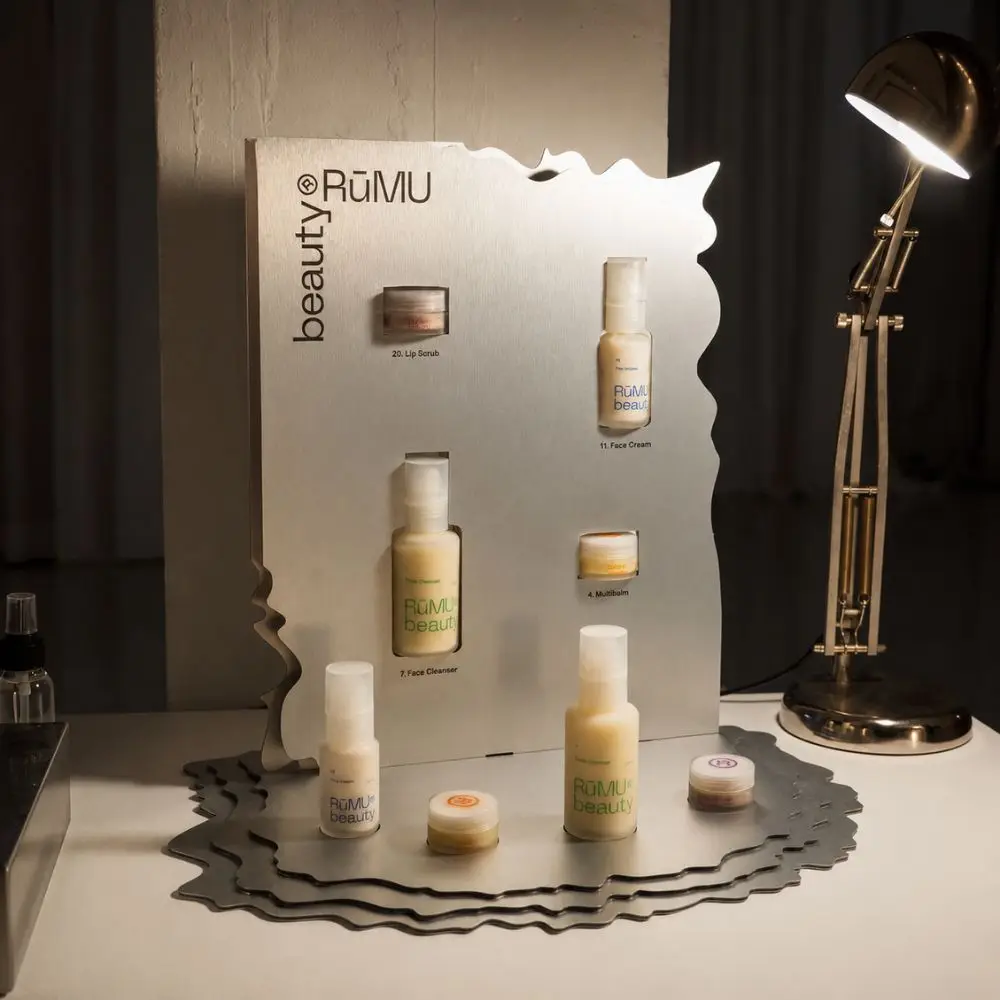
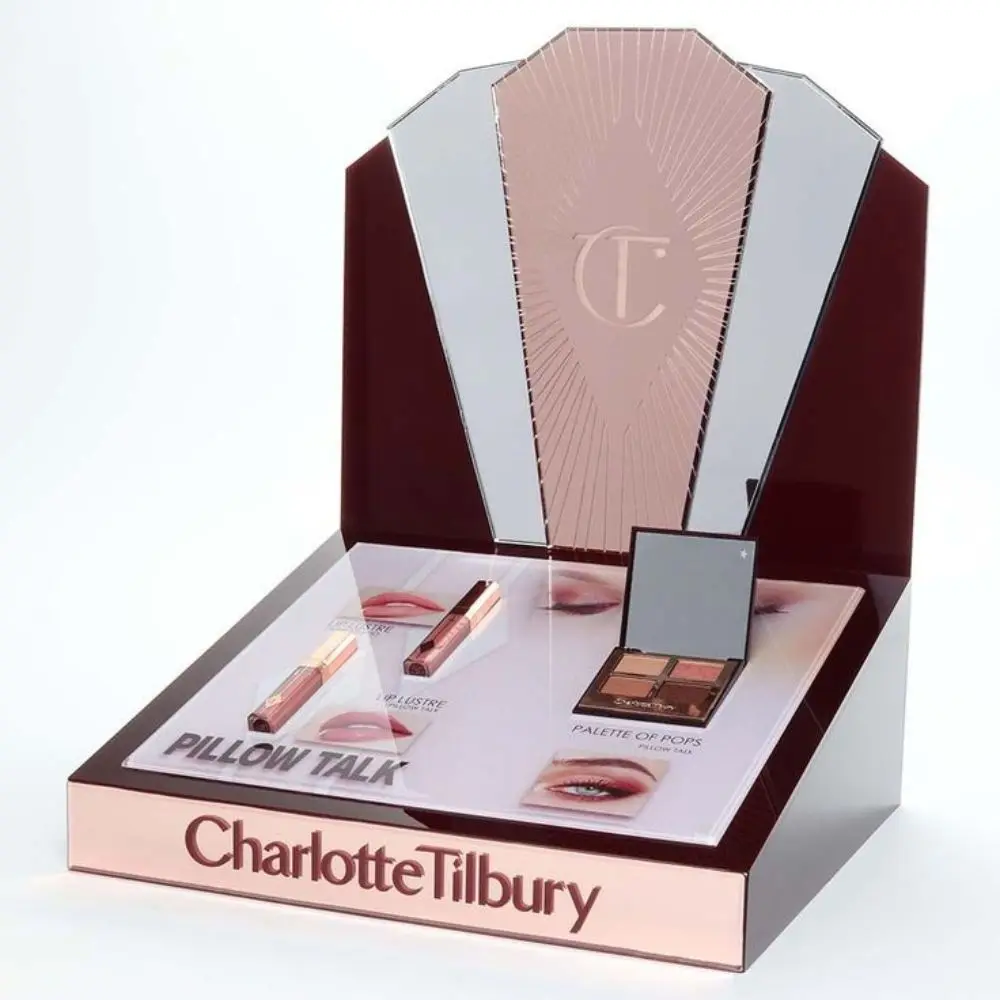
Figure 1: Custom brushed metal wavy skincare shelf (left) vs premium mirror acrylic makeup POP display stand (right).
We use these two high-end retail samples to break down every core manufacturing cost item, helping global supply chain teams calculate total procurement expenses accurately and choose the perfect hardware configuration for their point-of-sale environments.
Analyzing financial differences begins with a comparison of sheet substrate pricing and material utilization efficiency. While heavy metallic panels carry a substantial weight presence, their initial raw unit material cost exhibits distinct purchasing dynamics when compared to high-purity virgin acrylic polymers:
Acrylic Substrate Yields: High-grade cast PMMA polymers allow high layout nesting efficiency during CAD planning. This clean process minimizes scrap rates during standard panel cutting, keeping base material costs highly predictable.
Metal Sheet Waste Factors: Developing irregular geometric profiles—such as custom brushed metal wavy panels—generates high material scrap rates during raw cutting. Because of this structural cutting waste, the base material cost for custom metal configurations is often far above acrylic for a display of identical retail dimensions.
The technical engineering hours required on the factory floor heavily dictate final commercial quotes. Fabricating custom polymers allows for high machine automation. Automated laser cutting systems, precise diamond edge polishers, and rapid thermal bending machinery process components with minimal manual handling, completely eliminating complex tooling adjustments during initial production phases.
Conversely, manufacturing durable metal configurations requires extensive multi-stage processing labor. Raw sheets must pass through separate CNC laser trimming, mechanical deburring, precision hydraulic press bending, surface sandblasting, and intensive manual welding. Furthermore, producing specialized organic wave silhouettes or custom-molded component trays requires dedicated stamping tooling, adding significant upfront mold amortization fees to low-volume brand orders.
Achieving a premium aesthetic finish that elevates brand positioning involves different decoration and labor costs depending on the base material selected. Acrylic stands offer excellent out-of-the-box finishing capabilities; they easily accept high-fidelity UV printing directly on back panels and can be embedded with premium mirror laminate films in a single manufacturing phase.
Figure 2: Mirror acrylic display integrates custom logo placement and interchangeable graphic printing slots in one processing step.
Unlike polymers, unrefined steel and aluminum sheets must undergo rigorous post-processing to prevent oxidation and ensure smooth surfaces. Achieving a high-end retail finish requires applying separate anti-rust chemical treatments, uniform powder coatings, or premium brushed anodized finishes. Branding must also be handled via secondary silk-screen operations or by mounting separate metal nameplates, adding extra finishing steps and labor costs to the final bill of materials (BOM).
Sourcing teams must calculate the total landed cost of ownership, which includes international transit and protective crating. High-purity acrylic is lightweight, allowing procurement managers to minimize overall dimensional weight shipping fees. It also requires straightforward protective masking films and form-fitting foam corners during packing.
Heavy metal displays, while inherently robust, carry a massive physical weight penalty. Their increased mass and sharp edges require heavy multi-layer bubble wrapping, thick expanded polyethylene (EPE) foam blocks, and reinforced wooden export crates to prevent shipping damage. These heavy packing materials increase the overall outer box volume, causing international ocean and air freight surcharges to rise significantly.
Minimum order quantities (MOQs) are closely tied to the tooling requirements of the display's design. Standard linear acrylic stands require no custom tooling, meaning factories can offer low MOQs with no extra non-recurring engineering (NRE) charges. In contrast, producing custom metal silhouettes with irregular wavy borders or specialized stamped component slots requires dedicated industrial tooling. For small-scale regional rollouts, these high upfront mold expenses must be amortized over fewer units, causing individual piece costs to rise dramatically.
While polymer fixtures offer excellent upfront cost advantages, their long-term operational lifecycle requires careful management in high-traffic retail spaces. Acrylic surfaces are more susceptible to minor abrasions and surface micro-scratches over time, making them ideal for agile seasonal promotions or short-term pop-up installations that require frequent merchandising updates.
Premium treated metal, on the other hand, provides outstanding durability, structural stability, and resistance to impact deformation. This long-term durability makes metal the preferred investment for permanent multi-brand department store counters. The initial capital layout is higher, but its multi-year operational lifespan minimizes replacement cycles, delivering a superior long-term return on investment (ROI).
To maximize procurement budgets without compromising in-store brand presentation, brand purchasing teams should follow these professional engineering guidelines:
Low-Budget Short-Term Campaigns: Deploy premium mirror acrylic structures to achieve an ultra-luxury look with minimal initial engineering and setup costs.
Permanent High-Traffic Installations: Choose high-durability brushed metal frameworks to withstand heavy customer interaction over multiple years.
Hybrid Engineering Balance: Combine a lightweight acrylic main body with custom metal trim or structural accents to balance premium aesthetics with cost efficiency.
Volume Consolidation: Consolidate regional purchase orders into centralized production contracts to maximize manufacturing efficiency and minimize unit-level mold costs.
Q: What causes the primary manufacturing cost difference between acrylic and metal cosmetic displays?
A: The difference comes from processing labor and tooling. Acrylic can be quickly cut and polished using automated laser systems, whereas metal requires a multi-stage process of cutting, deburring, bending, welding, and post-surface finishing, which increases labor hours.
Q: How do custom irregular profiles impact the tooling budget for a metal cosmetic display stand?
A: Organic or wavy geometric silhouettes in metal require custom stamping molds or specialized CNC laser setups, which introduce significant non-recurring engineering (NRE) fees that can increase small-order costs.
Q: Which material is better for controlling international shipping costs for large retail rollouts?
A: Acrylic is generally more cost-effective for transit due to its lighter weight, which helps minimize volumetric and gross weight shipping surcharges compared to heavier metal structures.
Q: Can branding graphics be easily updated on high-end acrylic makeup POP displays?
A: Yes. Advanced acrylic designs feature built-in interchangeable poster slots and replaceable textured inserts, allowing brands to update graphic campaigns without replacing the main display structure.
Q: Where can I find more technical engineering details on material selection for custom retail fixtures?
A: You can review our detailed manufacturing FAQ directory for extensive information on material specifications, quality metrics, and cost-optimization strategies.
Choosing between acrylic and metal requires balancing upfront budgets with long-term display performance goals. Partnering with a vertical manufacturer who offers expertise in both polymer and metal fabrication is the most effective way to optimize procurement costs. As a trusted manufacturer of premium retail fixtures, TERMEIN Display helps brands streamline global procurement through our comprehensive dual-facility manufacturing footprint. By operating a large 25,000 m² production center in China alongside an agile 5,000 m² factory in Vietnam, we combine over 100 high-precision automated machining setups with a team of 160+ skilled technicians. Our multi-regional infrastructure supports robust, high-volume production capacities exceeding 1,000 units daily, ensuring consistent build quality, dependable project execution, and on-time delivery schedules for complex international retail rollouts.
Unsure which material configuration fits your upcoming retail launch parameters? Contact our engineering team today for an itemized material cost breakdown and tailored production analysis designed to maximize your point-of-sale ROI.
Request Material ConsultationShipping Cost Impact on Cosmetic Display Fixture Procurement
Hidden Costs in Cosmetic Display Stand Manufacturing You Should Know
Latest News
Jun. 24, 2026
Hidden Costs in Cosmetic Display Stand Manufacturing You Should Know
Jun. 24, 2026
How Retail Brands Budget for Custom Cosmetic Display Fixtures
Jun. 24, 2026
Why Cosmetic Display Stand Prices Vary Between Manufacturers
Jun. 24, 2026
Jun. 24, 2026
What Factors Affect Cosmetic Display Stand Manufacturing Costs
Jun. 17, 2026
Freestanding vs Countertop Cosmetic Displays: Which One Fits Your Retail Space?
Fulfill Your Custom Desires
01. Demand confirmation
02. Initial quotation
03. 3D Effect confirmation
04. Sample production
05. Sample effect confirmation
06. Bulk order production
07. Quality inspection
08. Shipment
:
Mob.: +86 166 7095 3112
Email: sztemei27@sztdp.com
WhatsApp: +86 173 1806 7256
WeChat: 16670953112
China Factory: Shenzhen Termein Display Products Co., Ltd.
China Address: Building B1, Anda Industrial Park, Fenggang Town. Dongguan City, Guangdong Province, China.
Vietnam Factory: CÔNG TY TNHH SẢN PHẨM TRƯNG BÀY DISPU ( VIỆT NAM )
Vietnam Address: B4 Địa chỉ Thửa đất số 60, tờ bản đồ số 40, Ấp Cầu Sắt, Xã Lai Hưng, phường bến cát, thành phố hồ chí minh,Việt Nam.
Quick Navigation
Custom Vape Display